
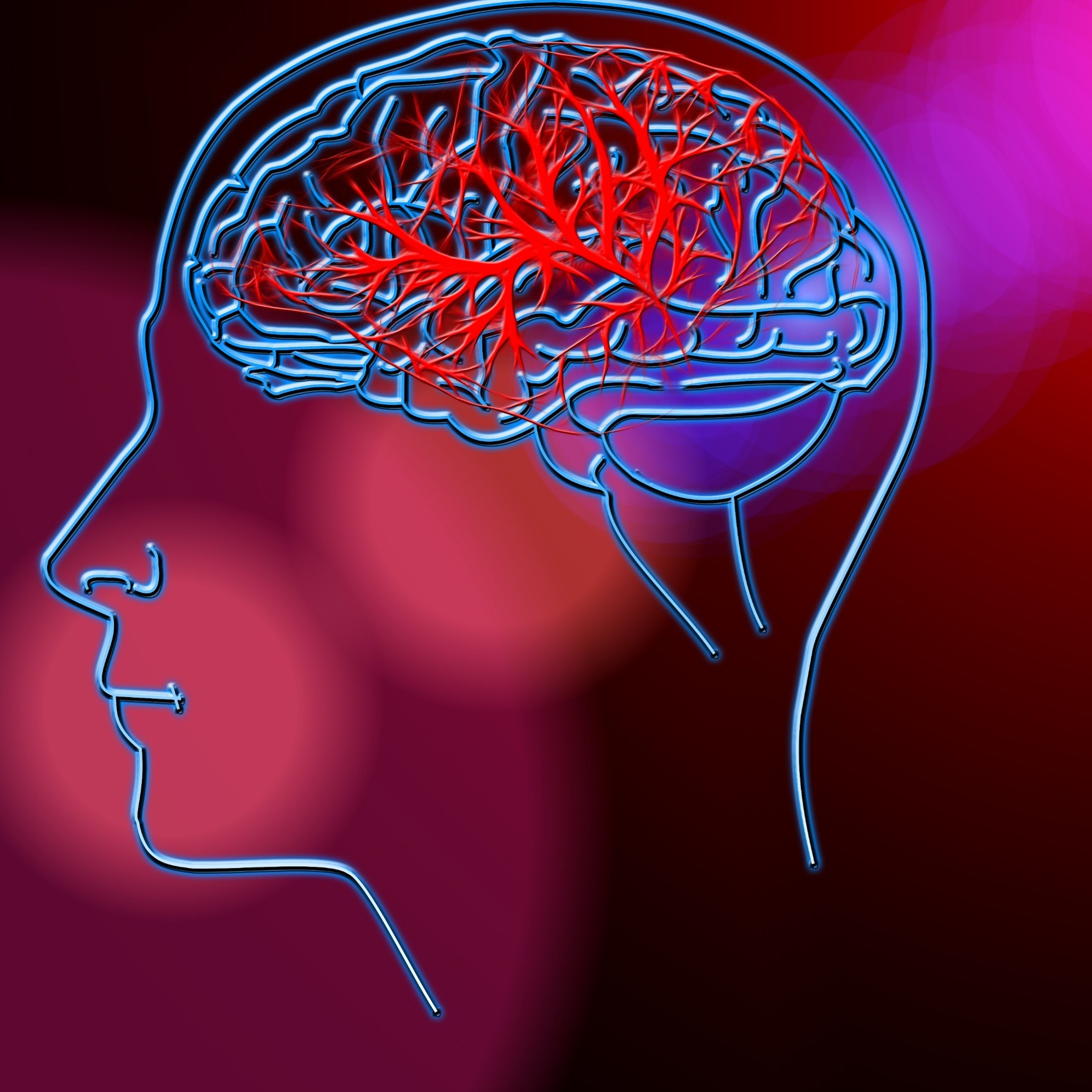

An aneurysm is a localized, abnormal bulge or ballooning in the wall of a blood vessel, most commonly occurring in arteries. This condition develops when a vessel wall weakens and can no longer withstand the pressure of blood flow, leading to the formation of a sac-like structure. Aneurysms can occur in various parts of the body, such as the brain (cerebral aneurysm), aorta (aortic aneurysm), and peripheral arteries. They often develop silently and may go unnoticed until they grow large or rupture, which can cause life-threatening internal bleeding. Risk factors for aneurysms include high blood pressure, smoking, genetic predisposition, and age. Early detection through medical imaging and appropriate management is essential to prevent complications and improve patient outcomes.
Aneurysms can develop in various parts of the body, but the most common types include: Cerebral (Brain) Aneurysm: Occurs in the arteries of the brain and can lead to a hemorrhagic stroke if it ruptures. Aortic Aneurysm: Affects the aorta—the largest artery in the body. These are further categorized as: Abdominal Aortic Aneurysm (AAA) – in the lower part of the aorta. Thoracic Aortic Aneurysm (TAA) – in the chest area of the aorta. Peripheral Aneurysm: Found in arteries other than the aorta and brain, such as the popliteal artery behind the knee.
Aneurysms can be caused by a variety of factors, including: High blood pressure (hypertension), Atherosclerosis (hardening of the arteries), Genetic conditions (e.g., Marfan syndrome, Ehlers-Danlos syndrome), Trauma or injury to blood vessels, Infections or inflammatory diseases,
Most aneurysms grow slowly and often do not cause symptoms until they rupture. However, when symptoms do occur, they depend on the aneurysm's location. For example: A cerebral aneurysm might cause headaches, vision problems, or neurological symptoms. An abdominal aortic aneurysm may cause a pulsing sensation in the abdomen, pain in the back or abdomen. Sudden, severe pain may indicate rupture—a medical emergency.
Several factors can increase the likelihood of developing an aneurysm. These can be grouped into modifiable (lifestyle-related) and non-modifiable (inherent or genetic) risks.
Modifiable Risk Factors: These are lifestyle-related and can be changed to reduce aneurysm risk: High Blood Pressure (Hypertension): Chronic high blood pressure puts stress on the artery walls, weakening them and increasing the risk of aneurysm formation and rupture. Smoking: Smoking damages the lining of blood vessels, contributes to atherosclerosis, and promotes inflammation, all of which significantly increase the risk of developing and rupturing aneurysms—especially abdominal aortic aneurysms.
Atherosclerosis (Hardening of the Arteries): Buildup of plaque in the arteries can weaken the vessel walls and contribute to aneurysm development. High Cholesterol Levels: Elevated cholesterol can contribute to plaque buildup in the arteries, increasing the risk of atherosclerosis and subsequent aneurysm formation. Alcohol and Drug Use: Excessive alcohol consumption and the use of stimulants like cocaine can increase blood pressure and contribute to vascular damage, raising the risk of aneurysm, especially in the brain.
Aneurysms are often diagnosed through imaging techniques such as: Ultrasound, CT scan, MRI, Angiography.
Treatment depends on the size, location, and risk of rupture. Options include: Monitoring (watchful waiting) for small, stable aneurysms, Medications to control blood pressure, Surgical repair, including open surgery or endovascular aneurysm repair (EVAR).
The treatment of an aneurysm depends on several key factors: Location of the aneurysm (e.g., brain, aorta, peripheral artery), Size and growth rate, Symptoms, Risk of rupture, The patient's overall health and age.
There are two main categories of treatment:
Often used for small, stable aneurysms that do not pose an immediate risk of rupture.
Monitoring (Watchful Waiting)
Small aneurysms are regularly monitored with imaging (e.g., CT, MRI, ultrasound).
Used for brain aneurysms less than 7 mm or abdominal aortic aneurysms less than 5 cm.
Lifestyle Modifications
1. No smoking
2. Maintain a healthy weight
3. Eat a heart-healthy diet
4. Limit alcohol intake
5. Regular exercise (with doctor approval)
Medication
To reduce stress on the vessel wall:
1. Antihypertensives (e.g., beta-blockers, ACE inhibitors): Control high blood pressure.
2. Statins: Lower cholesterol and reduce plaque buildup.
3. Antiplatelet agents: May be used to prevent clot formation, especially in cerebral aneurysms.
Required for:
1. Symptomatic aneurysms
2. Large or rapidly growing aneurysms
3. Ruptured aneurysms
For Cerebral (Brain) Aneurysms:
a. Surgical Clipping
1. A neurosurgeon places a small metal clip at the base of the aneurysm to stop blood flow into it.
2. Requires open brain surgery.
3. Long recovery but very effective.
b. Endovascular Coiling
1. A catheter is inserted through the groin and threaded to the brain.
2. Coils are placed inside the aneurysm to induce clotting and seal it off.
3. Less invasive than clipping, with shorter recovery.
c. Flow Diversion Devices
1. A newer technique using stents to redirect blood flow away from the aneurysm.
2. Best for large or wide-neck aneurysms.
For Aortic Aneurysms (Abdominal or Thoracic):
a. Open Surgical Repair
1. The weakened section of the aorta is replaced with a synthetic graft.
2. Requires a large incision and longer recovery.
3. Often used for patients with low surgical risk.
b. Endovascular Aneurysm Repair (EVAR/TEVAR)
1. A minimally invasive procedure using a catheter and stent-graft.
2. Performed through small incisions in the groin.
3. Shorter recovery time and often preferred in older or high-risk patients.
For Peripheral Aneurysms (e.g., popliteal artery):
1. May involve bypass surgery or endovascular stent grafting, depending on location and risk of embolization or rupture.
Aneurysm
[1]. Raichel, D.R., 2006. The science and applications of acoustics. Springer Science & Business Media.
reference here
