
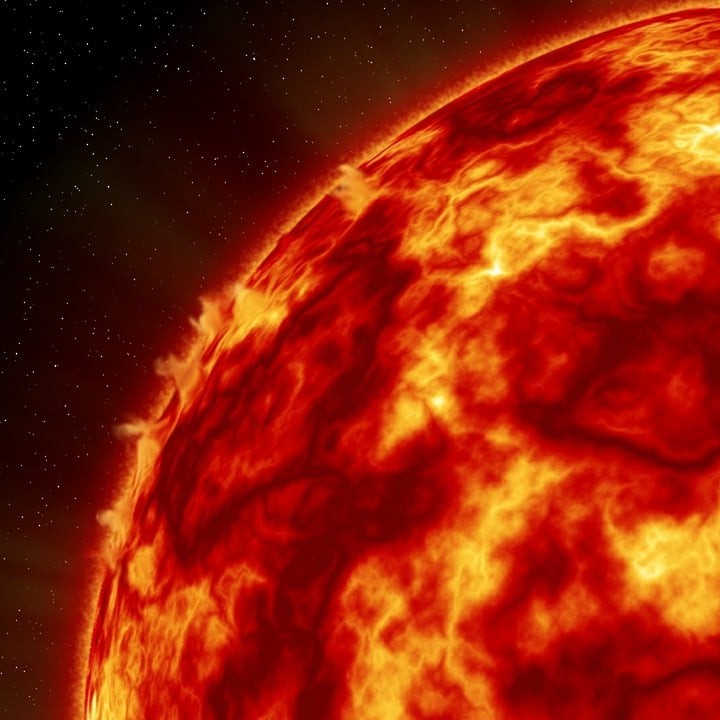

Radiation is the emission and transmission of energy through space or a material medium in the form of waves or particles. It can be classified into two main types: ionizing radiation, which has enough energy to remove tightly bound electrons from atoms and molecules, potentially causing chemical changes and biological damage, and non-ionizing radiation, which has lower energy and is generally considered less harmful. Radiation occurs naturally from sources like the sun and radioactive materials in the earth, and it can also be produced artificially through medical devices, nuclear reactors, and electronic equipment. Understanding radiation is crucial in fields such as medicine, industry, and environmental science, where it is both used beneficially—such as in X-rays and cancer treatment—and carefully controlled to protect human health and safety.
Non-ionizing radiation refers to forms of electromagnetic radiation that do not carry enough energy to ionize atoms or molecules—that is, they cannot remove tightly bound electrons. This category includes radio waves, microwaves, infrared radiation, visible light, and ultraviolet (UV) radiation at lower energy levels. Non-ionizing radiation is widely used in medical applications such as MRI (Magnetic Resonance Imaging), which uses radio waves and magnetic fields to create detailed images of soft tissues without exposure to harmful ionizing radiation. Infrared radiation is used in therapies for pain relief and improving circulation. Additionally, non-ionizing radiation is common in everyday technologies like mobile phones, Wi-Fi, microwave ovens, and visible light sources. While generally considered safer than ionizing radiation, excessive exposure—especially to UV rays from the sun—can cause skin damage, eye problems, and increase the risk of skin cancer. Therefore, understanding and regulating exposure to non-ionizing radiation remains important for health and safety.
Ionizing radiation is a form of energy that carries enough power to remove tightly bound electrons from atoms or molecules, creating ions. This process can cause chemical changes in cells and damage biological tissues, which makes ionizing radiation both useful and potentially harmful. It includes types such as X-rays, gamma rays, and high-energy particles like alpha and beta particles. In medicine, ionizing radiation is widely used for diagnostic imaging (such as X-rays and CT scans) to view inside the body, and for radiation therapy to treat cancer by destroying malignant cells. While it is a powerful tool for diagnosis and treatment, exposure must be carefully controlled because excessive ionizing radiation can damage healthy tissues, increase the risk of cancer, and cause radiation sickness. Protective measures, including lead shielding and strict exposure limits, are essential to ensure safety for patients and healthcare professionals.
Radiation plays a vital role in modern medicine, primarily through diagnostic imaging and therapeutic treatments. In diagnostics, ionizing radiation is used in techniques like X-rays, computed tomography (CT) scans, and nuclear medicine to create detailed images of the body’s internal structures, helping doctors detect fractures, tumors, and other abnormalities. Therapeutically, radiation is employed in radiation therapy to target and destroy cancer cells by damaging their DNA, which inhibits their ability to multiply. This treatment can be precisely directed to minimize harm to surrounding healthy tissue. Additionally, advances in medical technology have improved the safety and effectiveness of radiation use, including the development of more accurate delivery systems and protective measures for patients and healthcare workers. Despite its benefits, careful management is essential because excessive or improper exposure to radiation can lead to tissue damage and increase the risk of cancer, emphasizing the importance of controlled use and monitoring in medical settings.
Radiation plays a significant role in many everyday activities, especially in cooking and heating. One common example is microwave ovens, which use microwave radiation (a type of non-ionizing radiation) to heat food quickly and efficiently by causing water molecules to vibrate and generate heat. Infrared radiation is another form commonly used in heaters, grills, and toasters, where it transfers heat directly to objects or food, making cooking faster and more energy-efficient. Sunlight, which includes both visible and infrared radiation, naturally warms the earth and helps in processes like drying clothes and food preservation. Even in telecommunications, radio waves—a form of non-ionizing radiation—are essential for mobile phones, Wi-Fi, and broadcasting. These everyday uses of radiation showcase how invisible waves of energy are deeply integrated into modern life, making tasks simpler and more convenient.
Radiation has a wide range of important applications across various fields, especially in medicine, industry, and research. In medicine, radiation is extensively used for diagnostic imaging—such as X-rays, CT scans, and nuclear medicine scans—to visualize internal body structures and diagnose diseases. It is also a key component of radiation therapy, where targeted ionizing radiation destroys cancer cells while minimizing damage to healthy tissues. Beyond healthcare, radiation is used in sterilization of medical equipment and food preservation to kill bacteria and other pathogens without heat. In industry, radiation assists in material testing through techniques like radiography to detect flaws in metal parts and welds. Environmental applications include tracing and monitoring pollutants using radioactive isotopes. Furthermore, radiation plays a crucial role in scientific research, such as dating archaeological artifacts through radiocarbon methods and studying cellular processes. These diverse applications highlight radiation’s vital role in advancing technology, improving health outcomes, and supporting scientific discovery.
Radiation plays a crucial role in the treatment of cancer through a method called radiation therapy or radiotherapy. This technique uses high-energy ionizing radiation, such as X-rays or gamma rays, to target and destroy cancer cells by damaging their DNA, which prevents them from growing and dividing. Radiation therapy can be used alone or in combination with other treatments like surgery and chemotherapy. It is carefully planned to focus radiation precisely on tumors, minimizing exposure and damage to surrounding healthy tissues. Advances such as intensity-modulated radiation therapy (IMRT) and stereotactic radiosurgery allow for even more accurate delivery, improving treatment outcomes and reducing side effects. Radiation therapy is effective for many types of cancers, including breast, prostate, lung, and brain cancers, and it can be used to shrink tumors, relieve symptoms, or eradicate cancer completely. Despite its powerful benefits, patients undergoing radiation therapy are closely monitored to manage potential side effects like fatigue, skin irritation, or damage to nearby organs.
Radiation Therapy
[1]. Raichel, D.R., 2006. The science and applications of acoustics. Springer Science & Business Media.
[1]. Lorem ipsum dolor sit amet consectetur adipisicing elit. Obcaecati voluptate at est quae quisquam debitis repudiandae explicabo, ipsum eaque officiis ratione quasi ea quos rerum, molestiae sequi! Facere maiores odio laudantium non minima minus cum aliquam, debitis odit architecto autem quasi ut aspernatur doloremque deserunt corrupti labore expedita sequi dolorum.
